Understanding SIM Technology
The Subscriber Identity Module (SIM) is a critical component in mobile communications that enables users to connect to their network. Traditionally, physical SIM cards were the standard, but with the introduction of eSIM technology, a shift is underway.
What is a Physical SIM?
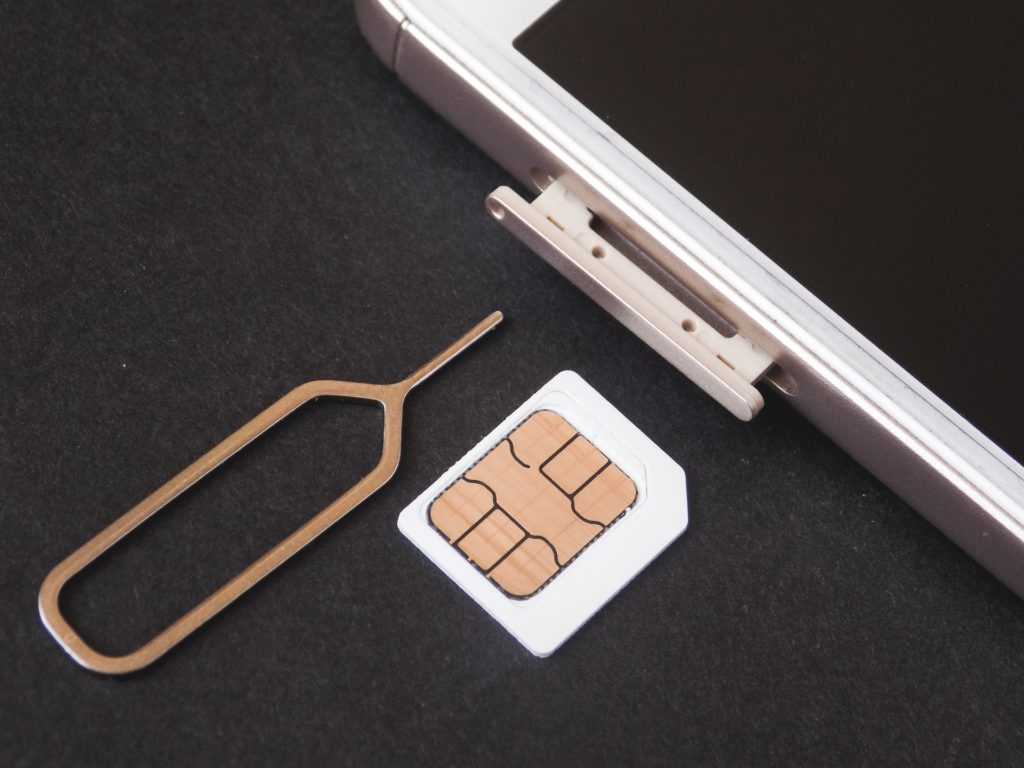
A physical SIM card is a small, removable card that gets inserted into your mobile device. It contains all the necessary information to connect to your carrier’s network, like your phone number and billing details.
What is an eSIM?
eSIM, or embedded SIM, is a digital version of a physical SIM card. It is built into the device's hardware and does not require a physical card to operate. This makes it significantly smaller and offers a range of functionalities that physical SIM cards cannot provide.
Advantages of eSIM
- Convenience: eSIMs are easy to switch between networks without needing to find and replace a physical card.
- Space-Saving: As they are embedded, eSIMs free up space in devices for other components.
- Multiple Profiles: eSIMs can hold multiple network profiles, enabling users to switch carriers seamlessly.
- Enhanced Security: The embedded nature of eSIMs makes them less susceptible to theft and loss.
Benefits of Physical SIM
- Widespread Compatibility: Physical SIM cards work with almost every mobile device, catering to a larger user base.
- Easy Replacement: If damaged, lost, or stolen, users can quickly replace physical SIM cards.
- Tangible Ownership: Some users prefer the physical aspect of having a removable card.
Challenges of Each
While both eSIM and physical SIM have their advantages, they also come with challenges. eSIM requires compatible devices, which can limit accessibility for some users. Conversely, physical SIM cards can pose issues regarding space, particularly in compact devices.
Which Option is Right for You?
Your choice between eSIM and physical SIM largely depends on your needs and lifestyle. If you travel frequently and switch carriers often, eSIM may be the better choice for its convenience. However, if you prefer a more traditional approach or frequently change devices, a physical SIM could be more suitable.
Conclusion
As mobile technology continues to evolve, both eSIM and physical SIM cards offer distinct advantages. Understanding these differences can help you make an informed decision to fit your needs. Consider your usage patterns and preferences before making a choice, ensuring you select the solution that keeps you connected.